Life in the ports / News
From Toulon to the Greenland Ice Sheet: A Look Back at the Incredible Adventure of the Sedna Mission
October 12, 2026
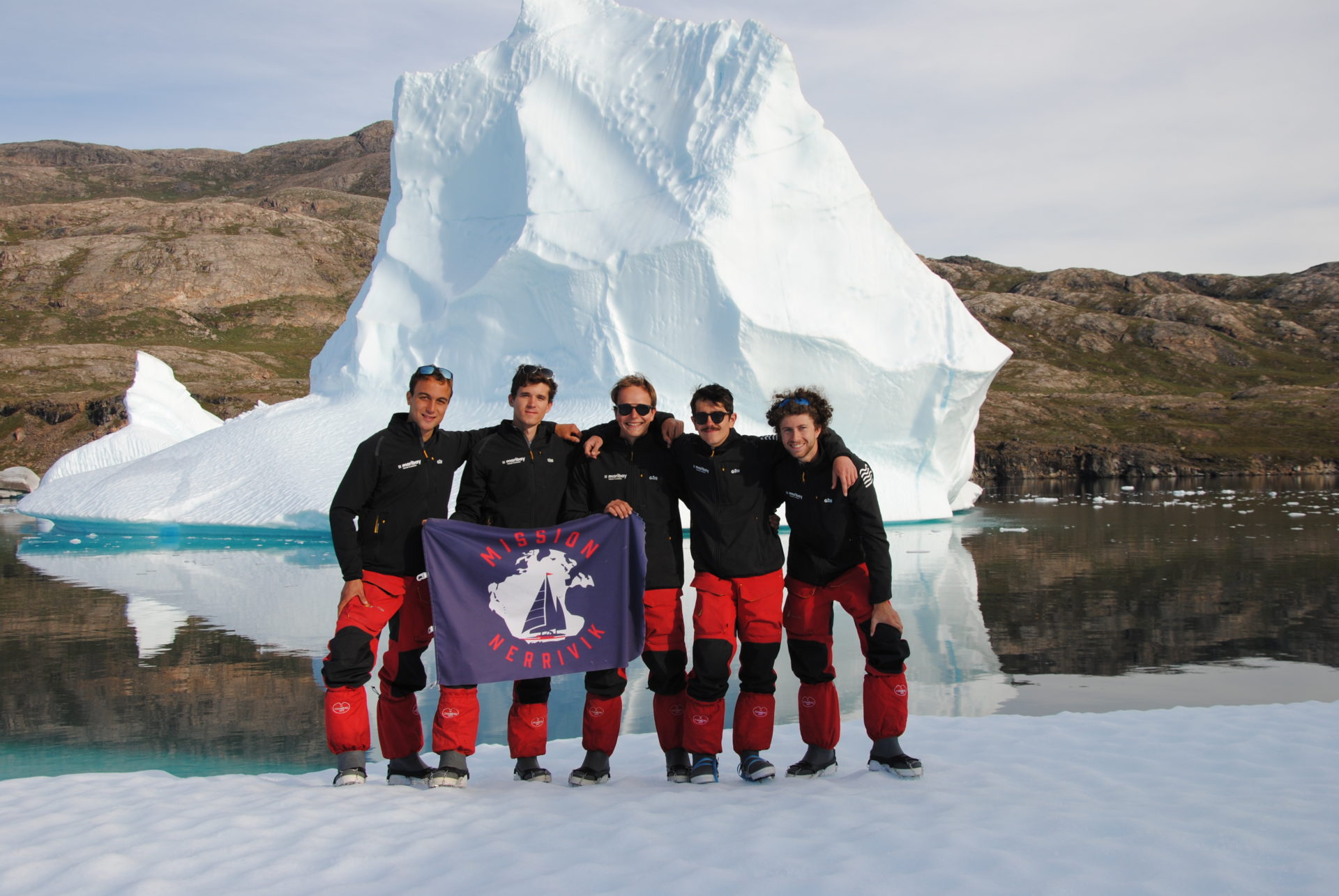
After six months of a challenging voyage from the Toulon harbor to the ice fields of Greenland, the crew of the Bernick shares their logbook with us. An exclusive interview with the crew.
Check out the interview with Tristan, Mathieu, Benoît, Vianney, and Thomas below:
Could you tell us about the Nerrivik association, its philosophy, and what inspired each of you to embark on this extraordinary adventure?
The Nerrivik Association was founded five years ago in Toulon. Since its founding, a new expedition has been organized every year with a new crew. All expeditions are based on three pillars: educational, scientific, and social.
The educational component is based on a program carried out with elementary school students in Toulon, designed to introduce them to the maritime world and the challenges facing the environments we sail through. The scientific component involves conducting various studies throughout the voyage in partnership with French laboratories. Finally, the social component consists of providing sailing experiences throughout the year to young people from disadvantaged neighborhoods.
Beyond these three missions, our personal motivations all centered on a single desire: to be part of a meaningful project—one that transcends us and would allow us to embark on an adventure that is at once challenging, human, and extraordinary—while exploring hard-to-reach regions.
Setting out on your own to the high latitudes isn't something you can just wing. How did you prepare the sailboat Bernick for such an expedition?
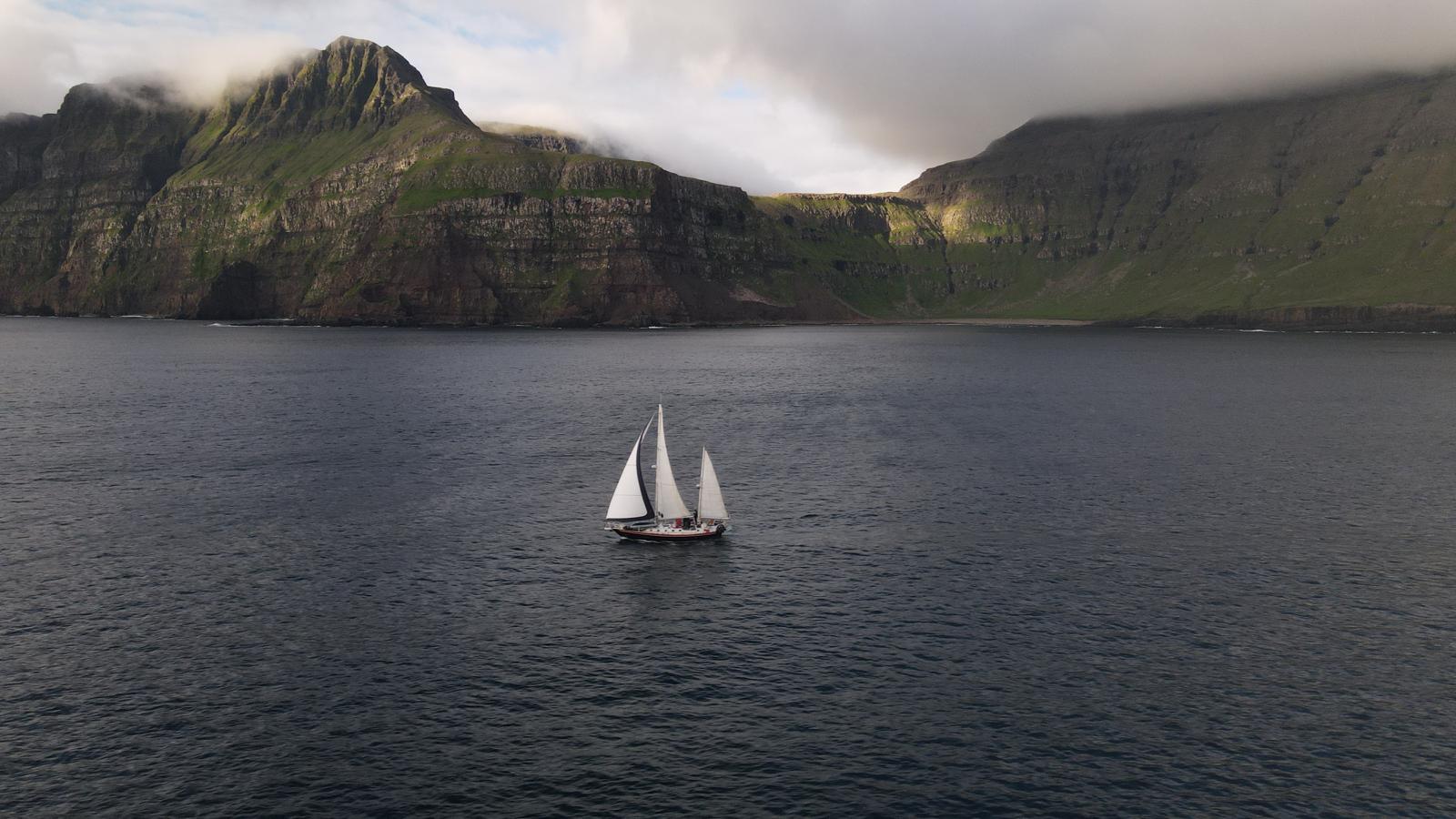
We had a full month in Toulon to prepare for our departure. Much of that time was spent renovating the Bernick, with the goal of making the boat as functional, reliable, and sturdy as possible for several months of self-sufficient sailing.
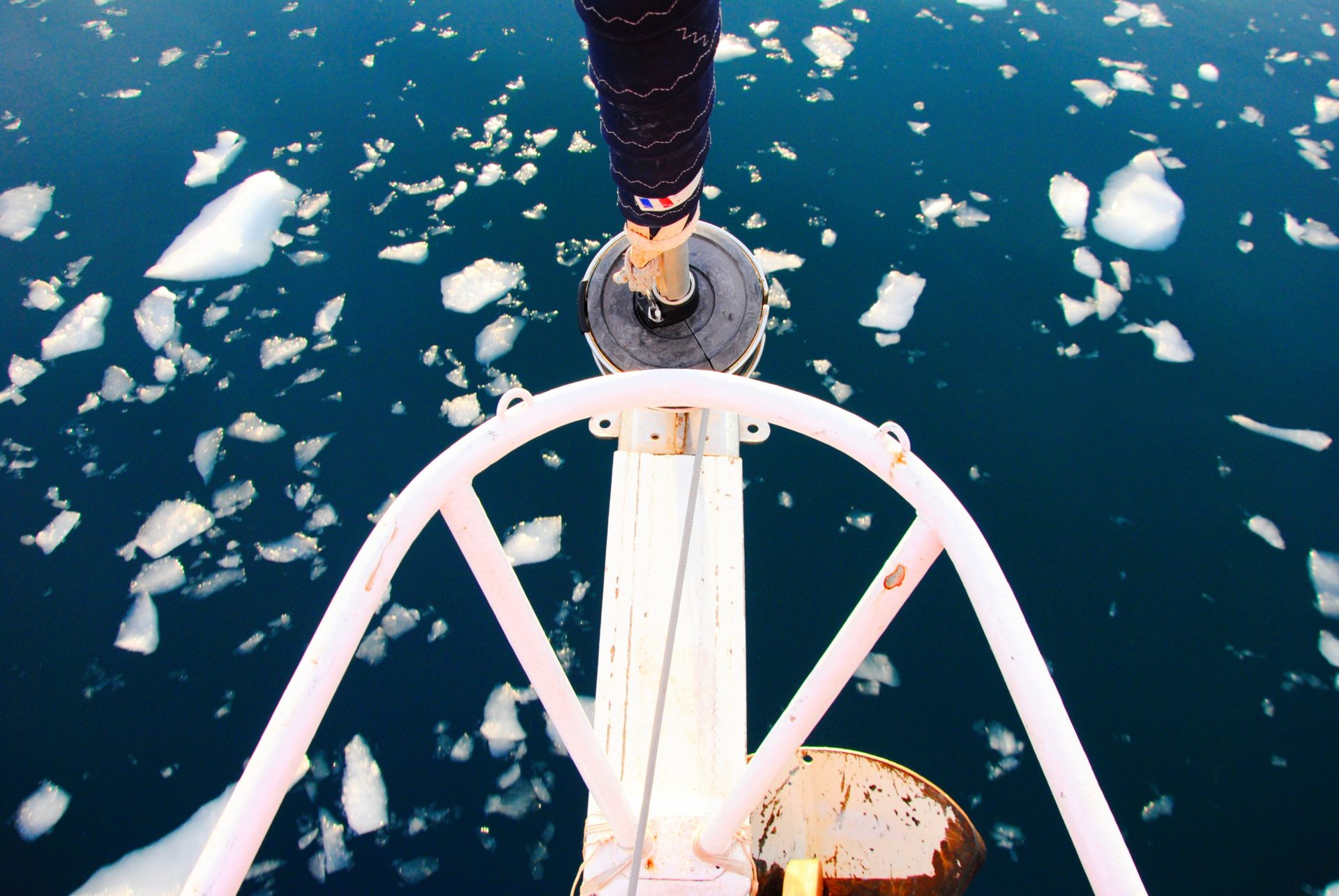
We also took various training courses to round out our skills. In particular, we had to learn how to navigate through ice and hone our skills in offshore navigation, which requires special preparation and vigilance.
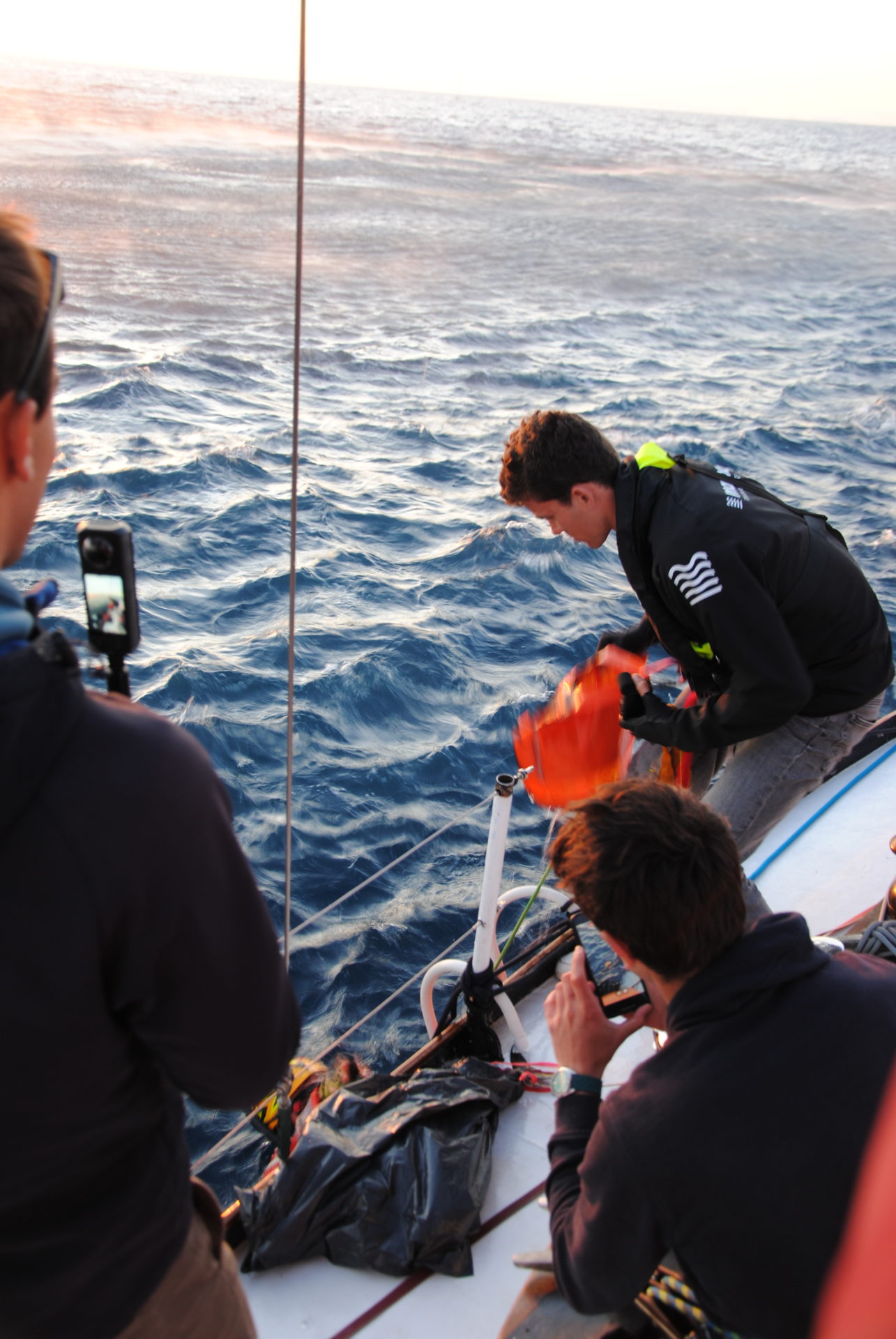
Finally, we took a survival training course with the SNSM to learn how to respond to the various risky situations we might encounter during the expedition. This preparation allowed us to set out with greater confidence and, above all, with the skills needed to navigate such a demanding environment.
You’ve just returned from a several-month-long expedition between the Mediterranean and Greenland. What was your route, and what were the most challenging or memorable stretches of the voyage for you as a crew?
We left Toulon in early April. We then crossed the Strait of Gibraltar in mid-April, before arriving in Brittany in early May. From Brittany, we continued on to the United Kingdom, then Iceland, before setting course for Greenland.
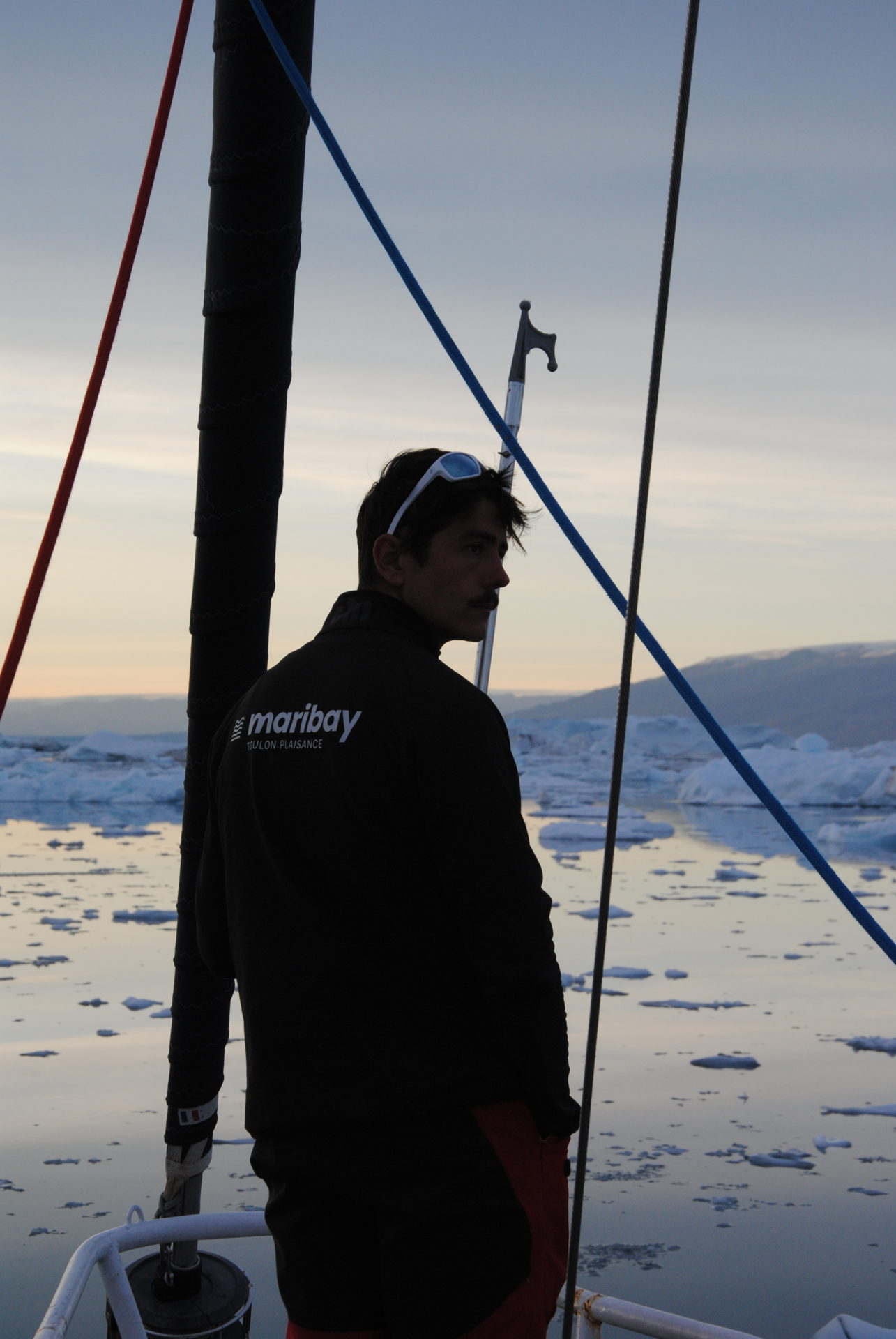
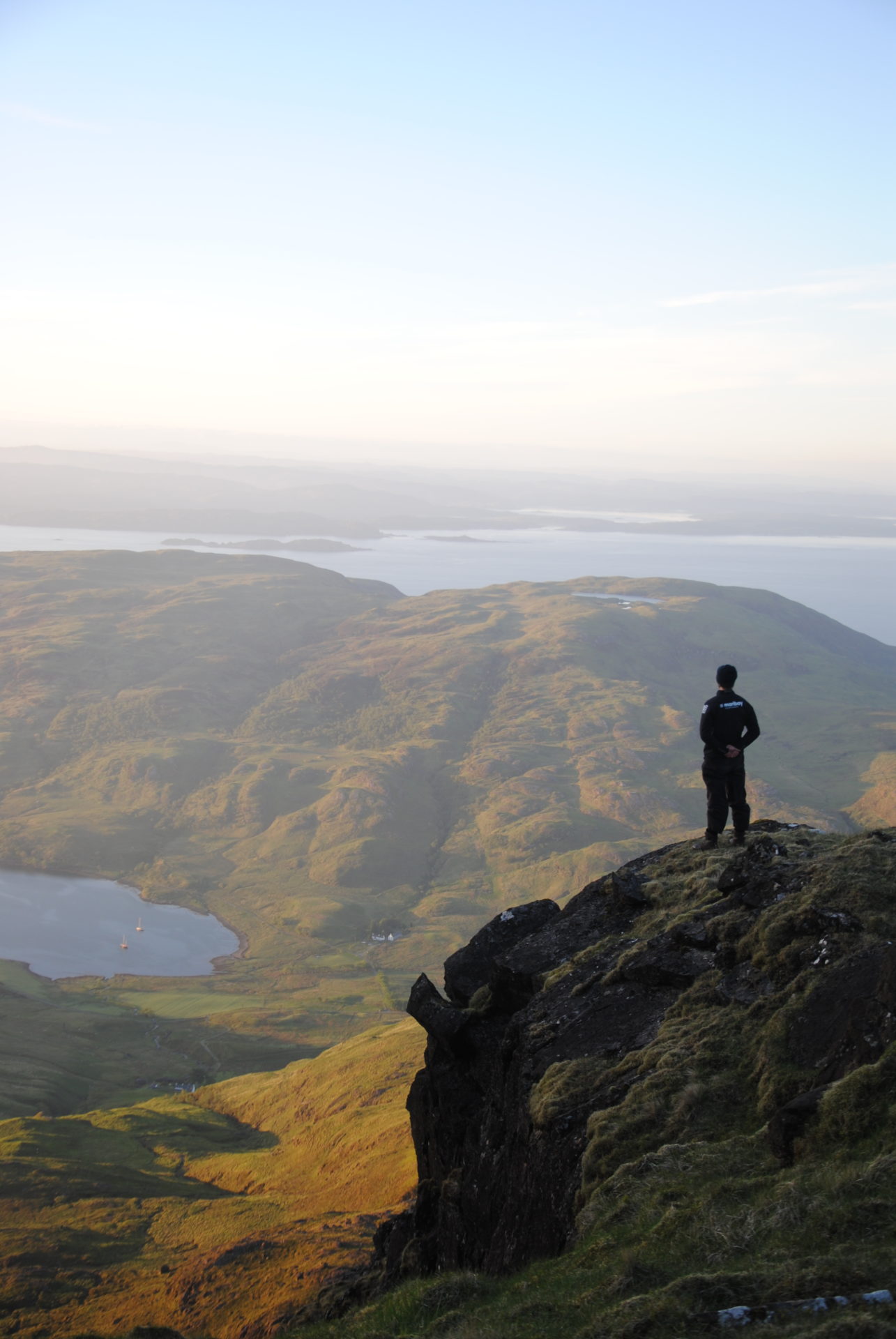
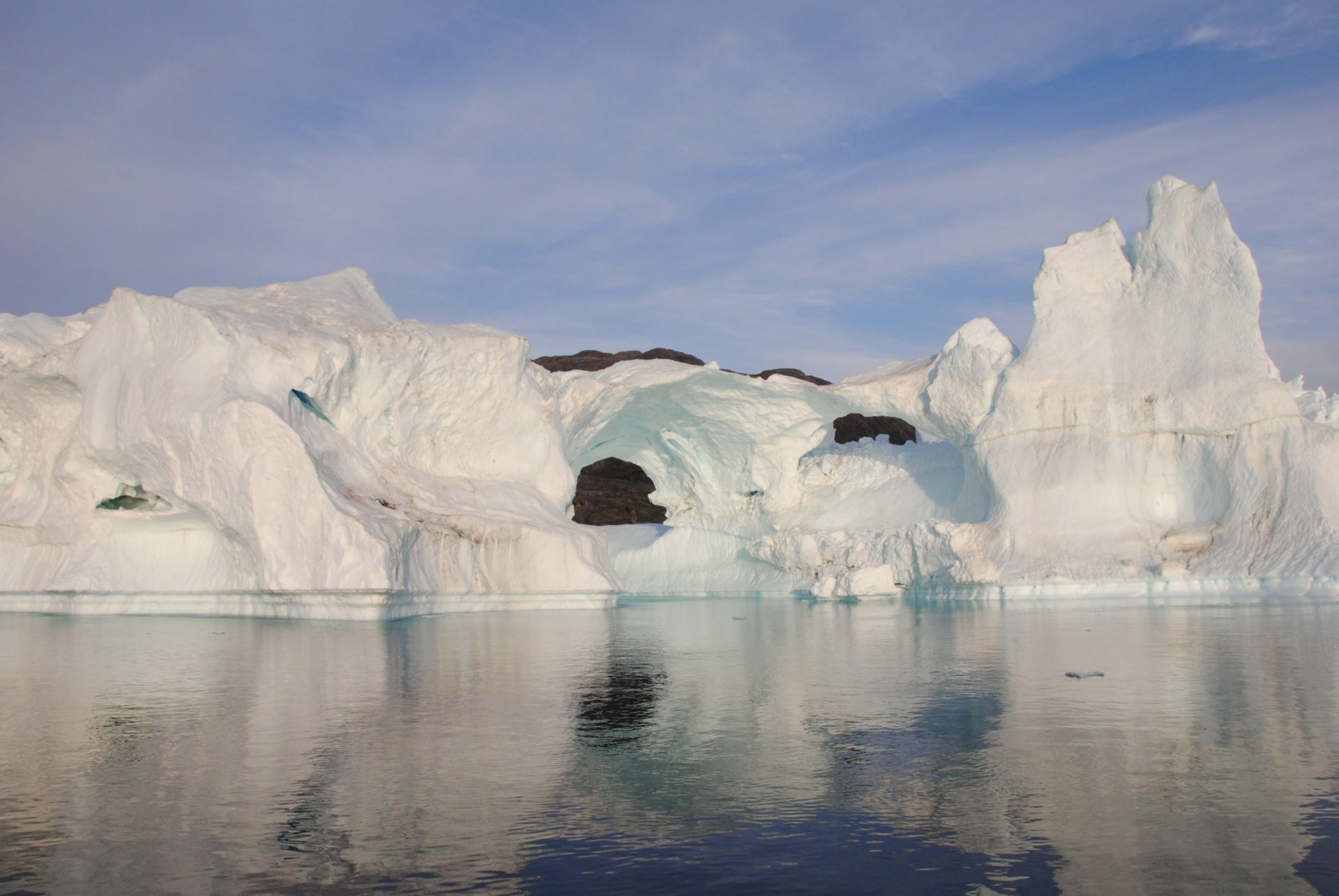
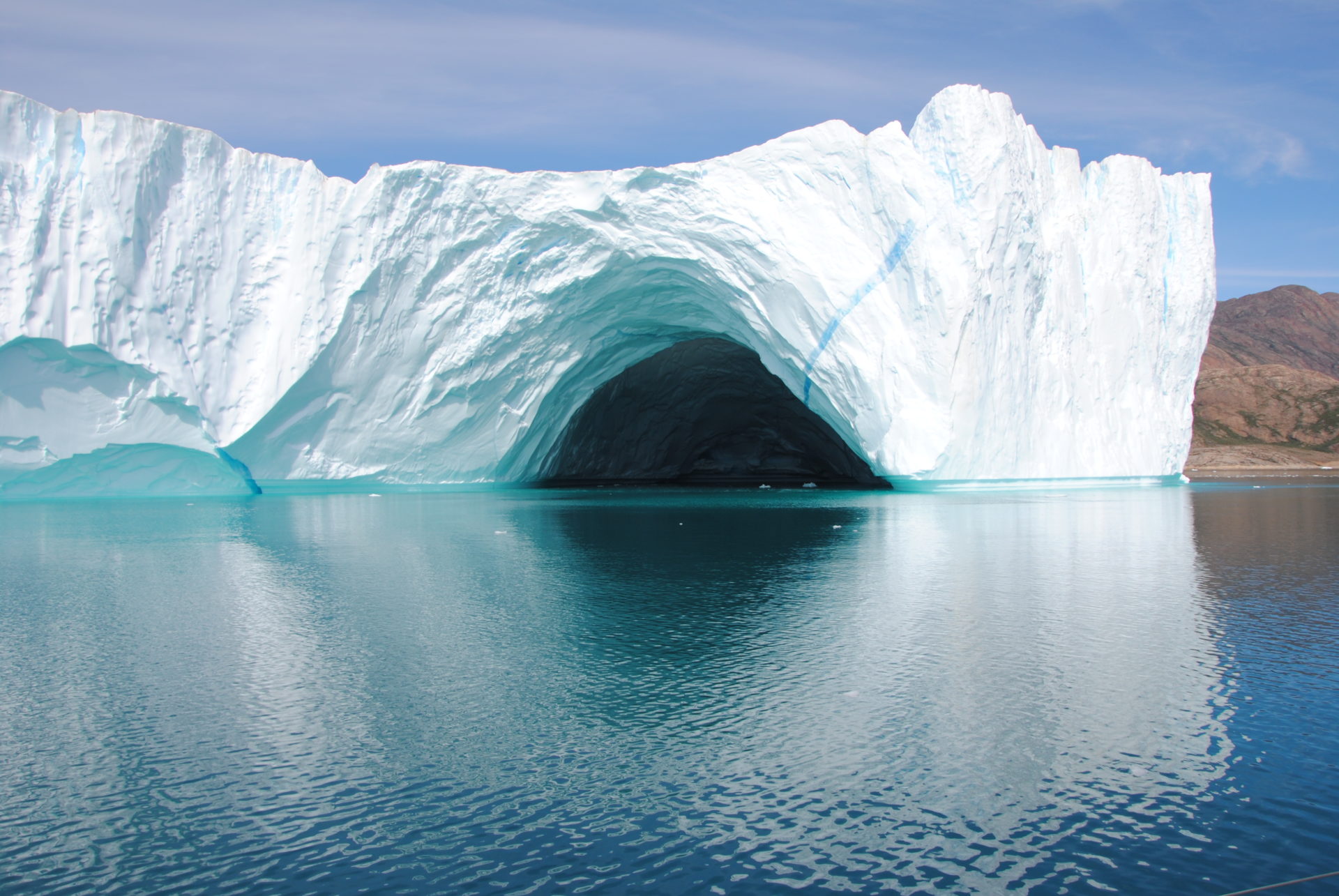
Each stage brought its own set of challenges and lessons, but one of the moments that will certainly remain the most memorable for us is our arrival in Greenland. After several weeks at sea, discovering the first icebergs and seeing those snow-capped mountains emerge, plunging straight into the sea, was a particularly powerful moment.
That was when we truly realized how much our surroundings had changed and the scale of the expedition we were undertaking.
Living with others on a 12-meter sailboat on a long-distance voyage is an intense human experience. How was daily life on board organized?
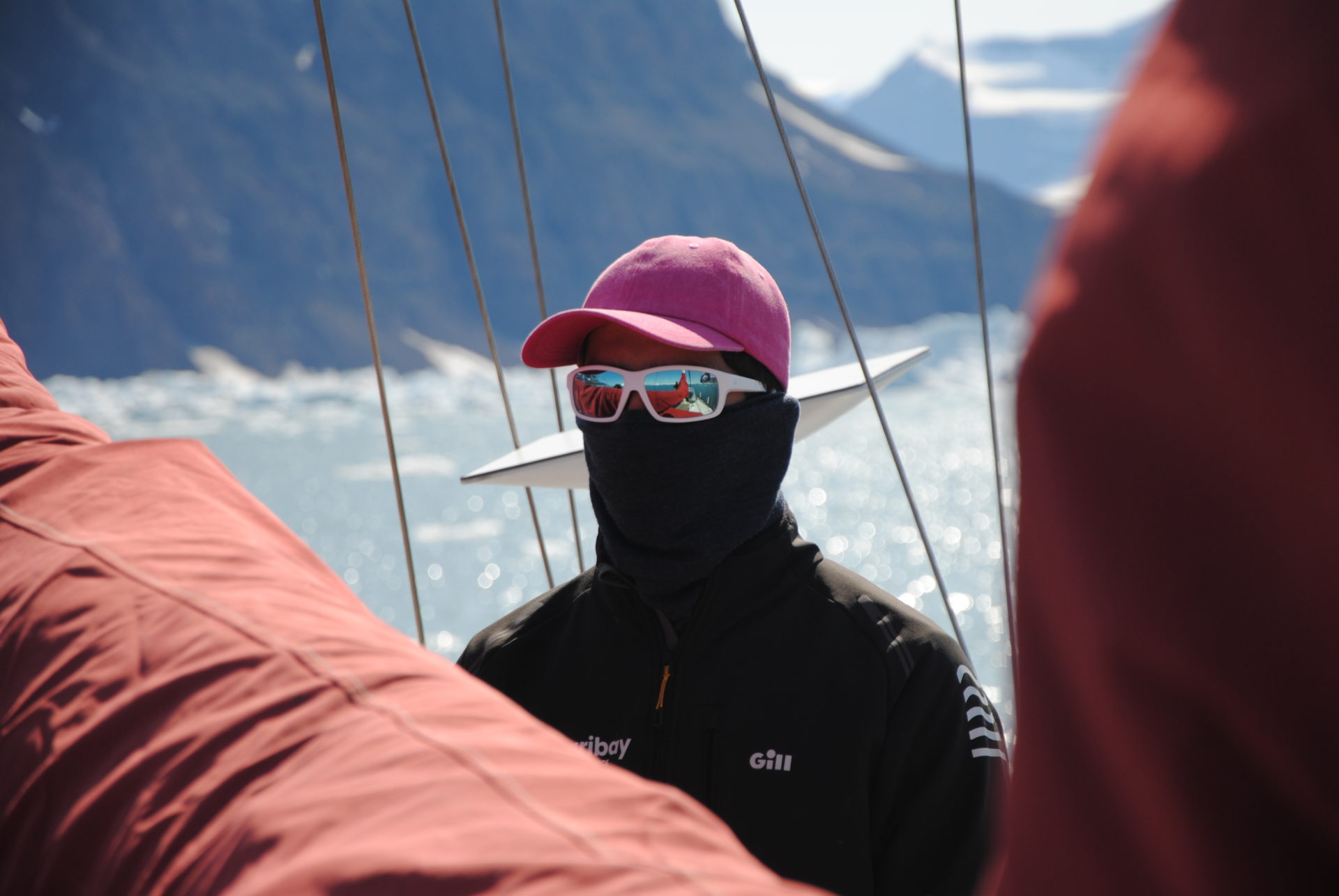
Life on board relied above all on collective organization. We had a system of duty rotations that allowed us to divide up the various daily tasks, including cooking, doing the dishes, and tidying up the boat.
But beyond these practical arrangements, we also placed great importance on communication within the crew. We held regular crew meetings, which allowed everyone to speak freely about what could be improved or changed in our daily lives on board.
Living for several months on a 12-meter boat inevitably requires adaptability, the ability to listen, and a spirit of solidarity. This approach allowed us to maintain a good balance within the group despite the cramped quarters and sometimes difficult conditions.
Beyond your status as students, you formed a specialized crew: looking back on these past months at sea, what were the concrete results and lessons learned for each of your teams?
Beyond the technical skills specific to sailing, this adventure has, above all, allowed us to develop many skills that will serve us well in our studies and future careers.
In particular, we’ve made tremendous progress in project management. Planning an expedition of this scale over the course of more than a year and a half—while continuing our studies—taught us how to organize ourselves, work as a team, and keep a project moving forward over the long term, despite unforeseen circumstances.
Preparing for the mission also led us to work with numerous companies, partners, and professionals who supported us throughout this journey. We had to learn how to build trust, honor our commitments, and share the association’s values with each of our partners.
Finally, life on board has helped us grow as people. Living together as a crew for several months, making collective decisions, dealing with challenges, and learning to rely on one another are experiences that will stay with us long after this mission is over.
And then, as we made our way from one stop to the next, we also had the opportunity to practice English in very real-life situations, which is always valuable in our journeys as students and professionals.
After being at the mercy of the waves and the wind, we’re now back on dry land. What’s your overall assessment of this expedition, and what’s the most powerful image or lesson that will stay with you?
The return to land actually happened quite naturally: we were all very happy to be back in a real bed that doesn't move! It will probably take us a little while longer to fully realize the journey we've just completed.
But when we look at the photos from our voyage in Greenland, we already realize just how extraordinary this expedition was. After several months at sea, reaching the far end of Scoresby Sund and finding ourselves surrounded by mountains, vast expanses of water, and icebergs will undoubtedly remain one of the most vivid memories of our lives.
Beyond the scenery, what we’ll remember most is what this adventure taught us: the ability to move forward together, to adapt to the unexpected, and to go further than we thought possible.
In the end, it is these moments we shared together—as much as the landscapes of Greenland—that will remain etched in our memories.
What are your plans for next year and the years to come?
For now, we’re sticking with the Nerrivik adventure a little longer as we accompany the new SIKU Mission team, which will in turn head to Svalbard in March.
We're also going to enjoy some time on dry land and get back into a more normal routine before diving back fully into our studies, which we now have to finish!
And even though we don’t yet know where the next few years will take us, one thing is certain: this mission has given us a taste for projects that go beyond the ordinary. So we hope this won’t be our last adventure.